
Seasonal planting calendar
Frost dates split Canada into very different growing windows. A region-by-region look at when to start seeds, transplant and direct-sow.
Common Lane is a reading collection about how neighbourhood community gardens work in Canada — the plots, the planting windows, the soil, and the quiet coordination that holds a season together from the last spring frost to the first hard freeze.

A neighbourhood garden runs on a handful of repeating questions. The guides below work through them with the kind of detail that is hard to keep in one head across a whole season.
Frost dates split Canada into very different growing windows. A region-by-region look at when to start seeds, transplant and direct-sow.

Most plot problems trace back to soil. How shared beds are built up over time with compost, mulch and a light rotation.

Waitlists, watering rotas, shared tools and the unglamorous paperwork. How coordinators keep a multi-plot site fair and tidy.
No two gardens are identical, but most Canadian community plots move through the same broad stages between thaw and freeze.
Plots are assigned, beds are cleared of last year's stalks, and compost or composted manure is worked into the top layer. Cool-season seeds such as peas, spinach and radish can often go in as soon as the soil is workable.
After the local last-frost date, tender crops like tomatoes, beans and squash are transplanted or direct-sown. In much of Canada this falls roughly between mid-May and early June, later in the north and the Prairies.
Consistent watering, mulching to hold moisture, and steady weeding carry the bulk of the season. Shared sites usually run a watering rota so beds are not missed during heat waves or holidays.
Crops are harvested before the first hard frost, spent plants are composted, and beds are mulched or planted with a cover crop. Coordinators often hold an end-of-season clean-up day.
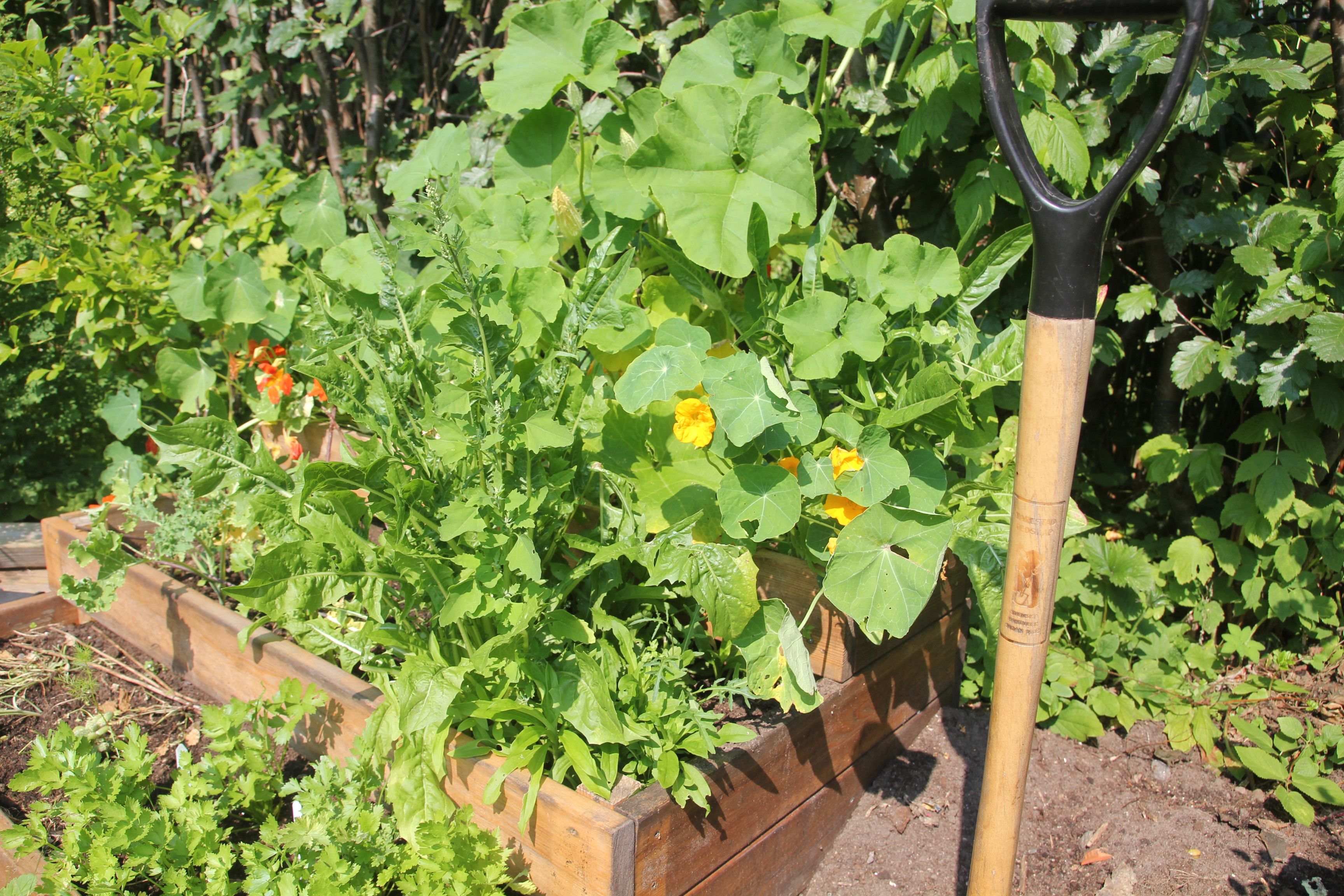
Community gardens give apartment dwellers, renters and people with shaded or paved yards a piece of open, sunny soil. They also concentrate knowledge: a new grower can ask the plot beside them why the kale is bolting instead of guessing alone.
In Canada, these sites are commonly hosted on municipal land, by parks departments, faith communities, schools or non-profit garden associations. Plot fees, where they exist, tend to be modest and cover water and shared tools rather than profit.
Questions about a guide, a correction, or a community garden detail specific to your region? Use the form and we will read it. Last updated May 28, 2026.