A seasonal planting calendar for Canadian community gardens

In a community garden, the calendar is set less by the month on the wall than by two dates: the average last spring frost and the average first fall frost. The stretch between them is your frost-free season, and in Canada it ranges from well over five months along parts of the south coast of British Columbia to barely three in northern and high-elevation areas. A planting plan that ignores those dates tends to lose tender seedlings to a late-May cold snap.
Read your frost dates first
Before sowing anything tender, find the local frost dates for your garden, not the provincial average. Microclimate matters: a downtown plot ringed by brick warms earlier than an exposed rural site a few kilometres away. Environment and Climate Change Canada publishes regional climate normals, and many municipal garden associations post a recommended planting window for their own site.
A working rule
Cool-season crops can go in around the time the soil becomes workable. Warm-season crops wait until the danger of frost has passed for your location. When in doubt, hold tender transplants a week rather than risk them.
Broad regional windows
The table below groups Canada into rough zones by the typical last-frost window. Treat the timing as a starting point and adjust to your own site's recorded dates.
| Region (typical) | Usual last-frost window | Practical note |
|---|---|---|
| South coastal British Columbia | Late March to mid-April | Longest season; succession sowing is realistic. |
| Southern Ontario & Quebec lowlands | Late April to mid-May | Tender crops usually safe by the May long weekend. |
| Prairie cities (Calgary, Edmonton, Winnipeg) | Mid to late May | Late frosts are common; harden off carefully. |
| Atlantic Canada | Mid-May to early June | Coastal fog can keep soil cool; start warm crops indoors. |
| Northern & high-elevation sites | Early to mid-June | Short season favours fast-maturing varieties. |
What to start when
Most community-garden crops fall into three handling groups. Knowing which group a crop belongs to is more useful than memorising dates.
Start indoors, transplant later
Tomatoes, peppers and eggplant need a head start. They are typically sown indoors six to eight weeks before the last-frost date and moved out only once nights stay reliably above freezing. Harden them off gradually over a week so the move outdoors is not a shock.
Direct-sow when soil is workable
Peas, spinach, radish, lettuce and many salad greens prefer cool soil and can be sown as soon as beds can be raked smooth. These crops often go in weeks before the frost-free date and can be sown again in late summer for a fall picking.
Direct-sow after frost
Beans, squash, cucumbers and corn dislike cold soil and rot if sown too early. Wait until the soil has warmed and frost risk has passed, then sow directly into the plot.
Succession and the fall window
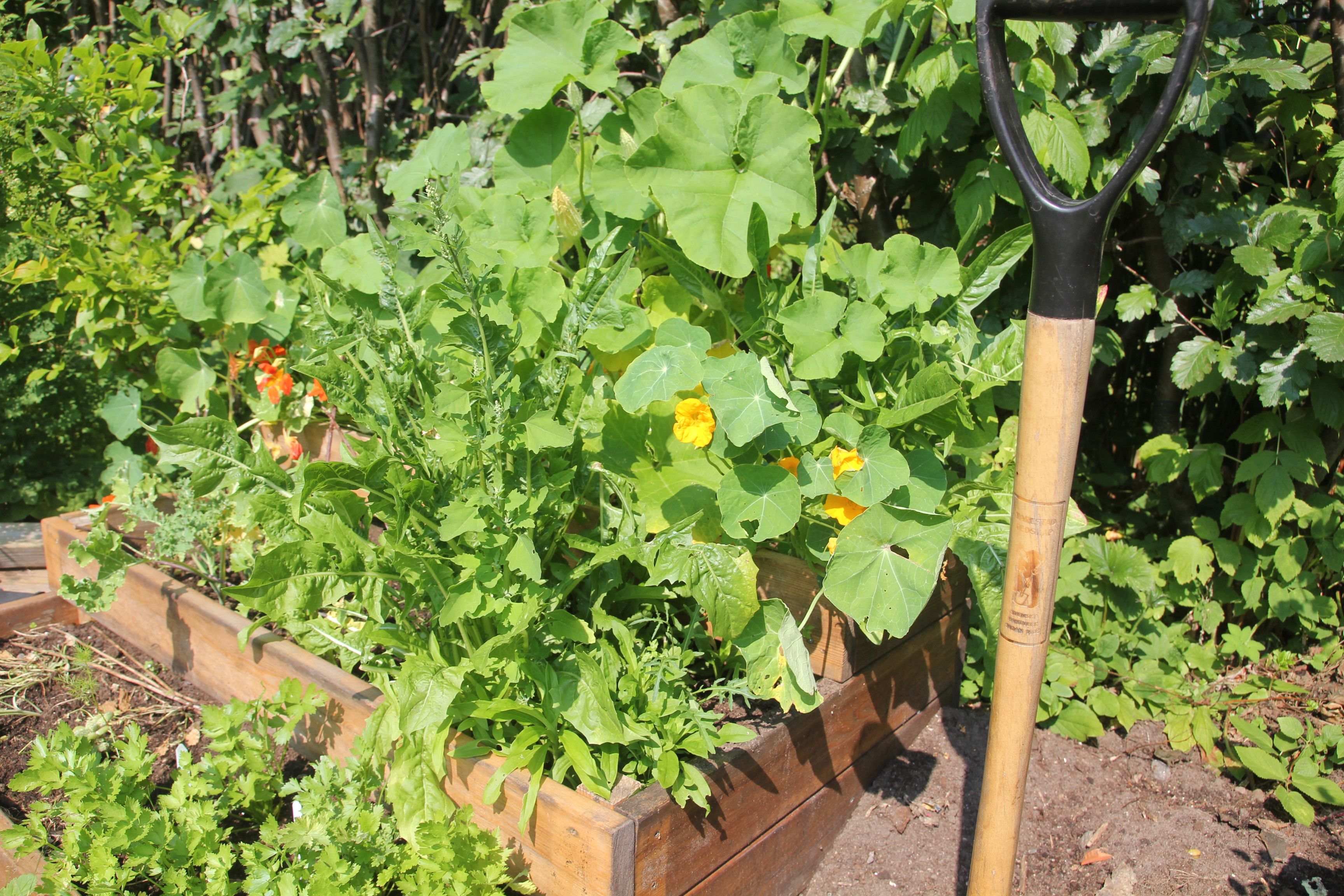
One sowing rarely uses a plot efficiently. As spring greens bolt in the heat, the same space can be replanted with bush beans or a second round of lettuce once temperatures ease. Toward the end of the season, fast crops such as radish, spinach and arugula can mature before the first hard frost in warmer regions.
- Spring: cool-season greens and peas as soon as soil is workable.
- Late spring: tender transplants and warm direct-sown crops after frost.
- Mid-summer: replant emptied space with a second succession.
- Late summer: sow fast fall crops where the season allows.
Closing the season
Harvest tender crops before the first hard frost; many gardeners watch the forecast closely from late August onward in shorter-season regions. Spent plants go to compost, and beds are mulched or sown with a cover crop to protect the soil over winter. For deeper soil work, see the companion guide on building healthy garden soil.